
The Impact of Texas Weather on Home Buying Decisions
The Unique Climate of Texas
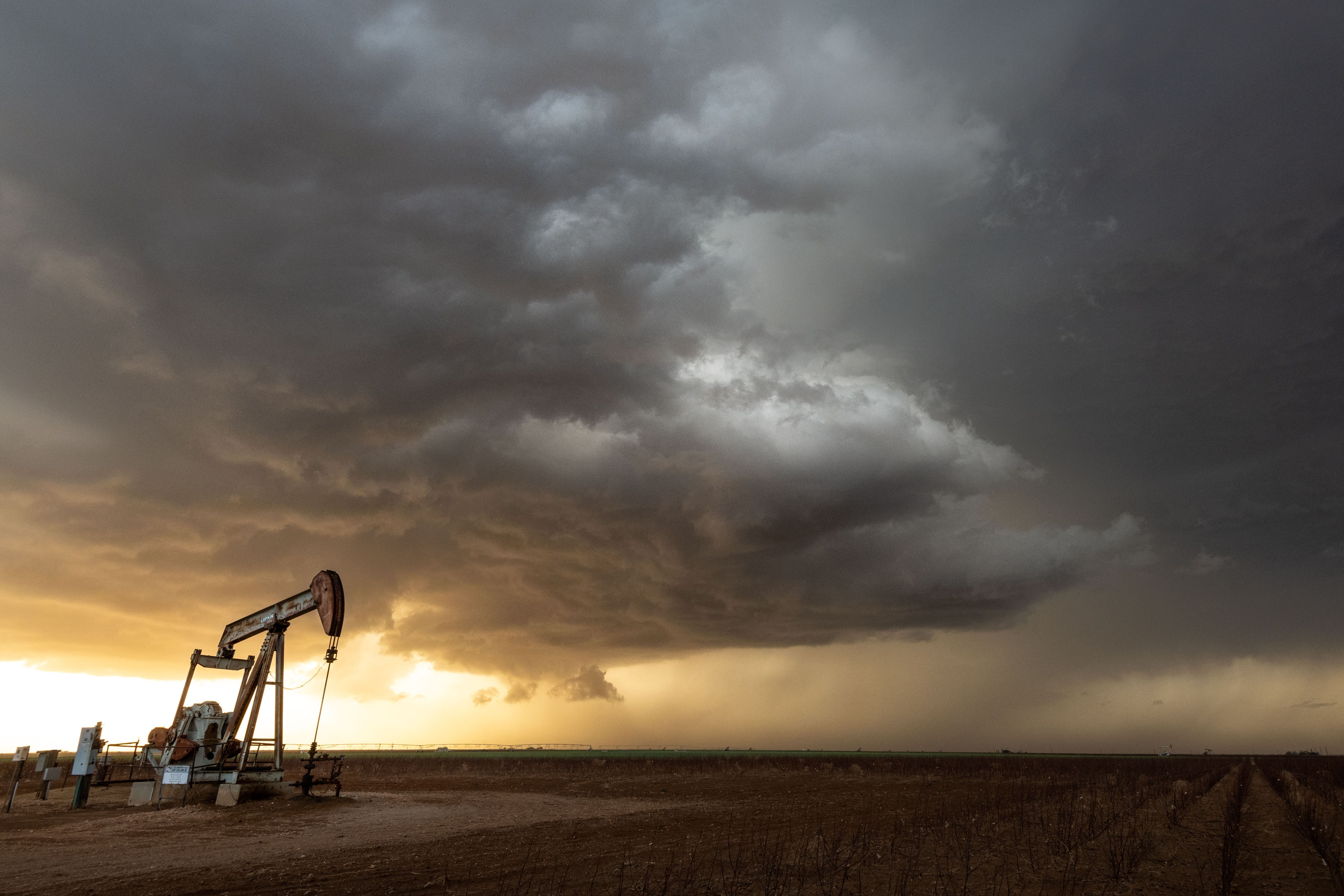
Texas is known for its diverse and often unpredictable weather patterns. From scorching hot summers to unexpected winter snowstorms, the state's climate can significantly impact home buying decisions. Understanding these weather conditions is crucial for prospective homeowners.
The state's size means it encompasses multiple climate zones, each with its unique challenges. The eastern part of Texas experiences humid subtropical weather, while the western region often faces arid desert conditions. This variety can affect everything from building materials to energy costs.
Considerations for Homebuyers
Heat and Humidity
One of the most significant factors in Texas weather is the intense heat and humidity, especially in the summer months. Homebuyers should consider properties with energy-efficient air conditioning systems, as cooling costs can be substantial. Additionally, homes with good insulation and reflective roofing can help mitigate these expenses.
Flooding Risks
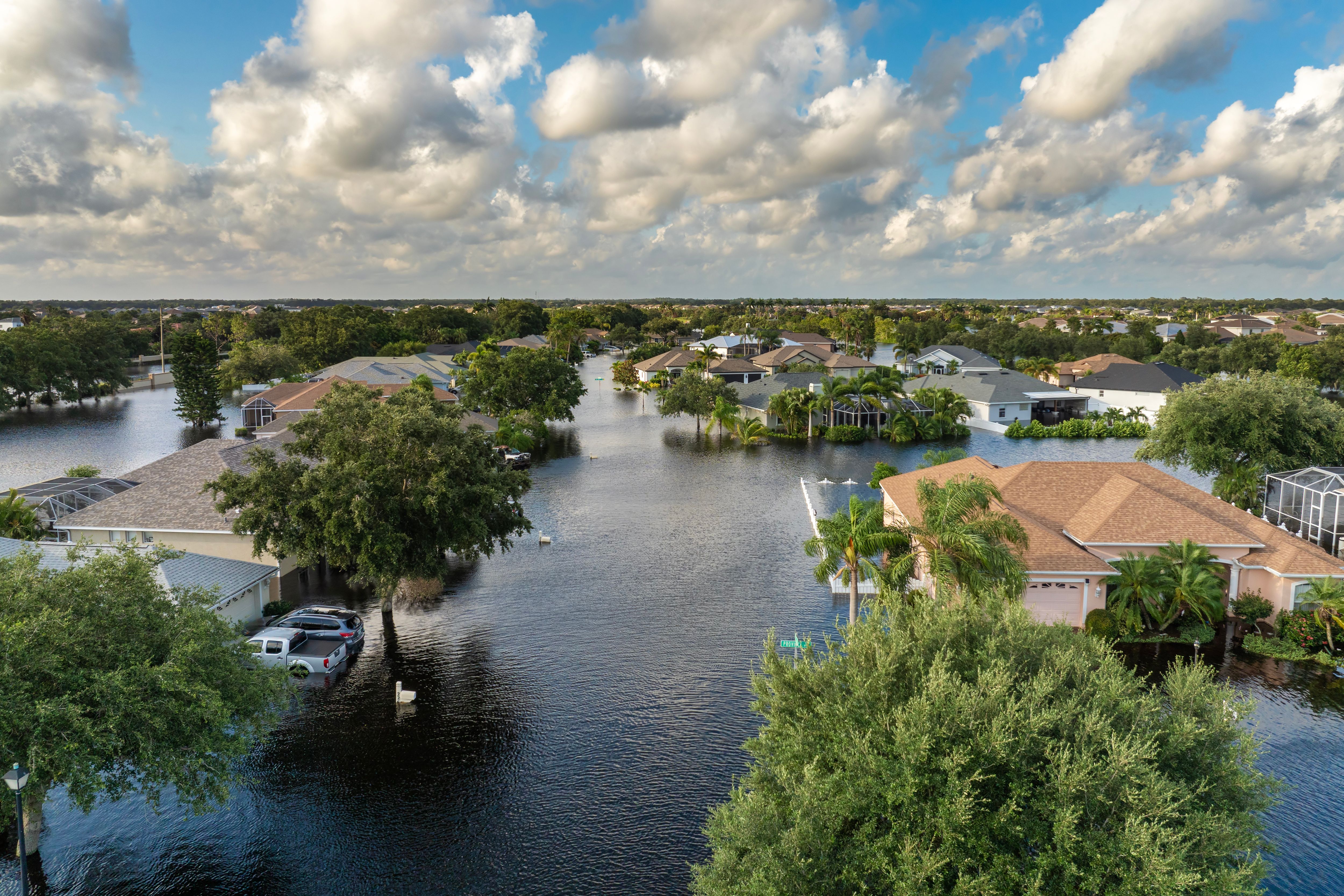
Flooding is another critical consideration, particularly in areas near the Gulf Coast. Prospective buyers should research flood zones and invest in flood insurance if necessary. Ensuring proper drainage around the property can also prevent water damage.
Winter Weather Challenges
While Texas is not known for harsh winters, recent years have seen unexpected cold snaps. These events can lead to burst pipes and other winter-related damages. Insulating pipes and having a reliable heating system are essential precautions for homeowners.
In regions that experience snow or ice, having a home with a sturdy roof that can handle additional weight is important. Driveways and walkways should also be designed to minimize slip hazards during icy conditions.

Building Materials and Design
The choice of building materials can significantly influence a home's resilience to Texas weather. Brick and stone are popular choices due to their durability and ability to withstand high temperatures. Additionally, homes designed with shaded outdoor areas can provide relief from the sun.
For those building new homes, considering the orientation of the house can also play a role in energy efficiency. Positioning living spaces to take advantage of natural breezes can reduce reliance on air conditioning.
Conclusion: Making Informed Decisions
Understanding the impact of Texas weather on home buying decisions is essential for anyone considering purchasing property in the state. By being informed about the climate-related challenges, buyers can make decisions that ensure comfort, safety, and financial prudence.
From selecting the right building materials to investing in necessary insurance, careful planning can help new homeowners enjoy their Texas property year-round without unexpected weather-related setbacks.